Digital Marketing: A Practical Guide Based on Real SEO Experience
When people hear the term digital marketing, they usually think of ads, tools, or social media posts. But in reality, digital marketing is much simpler.
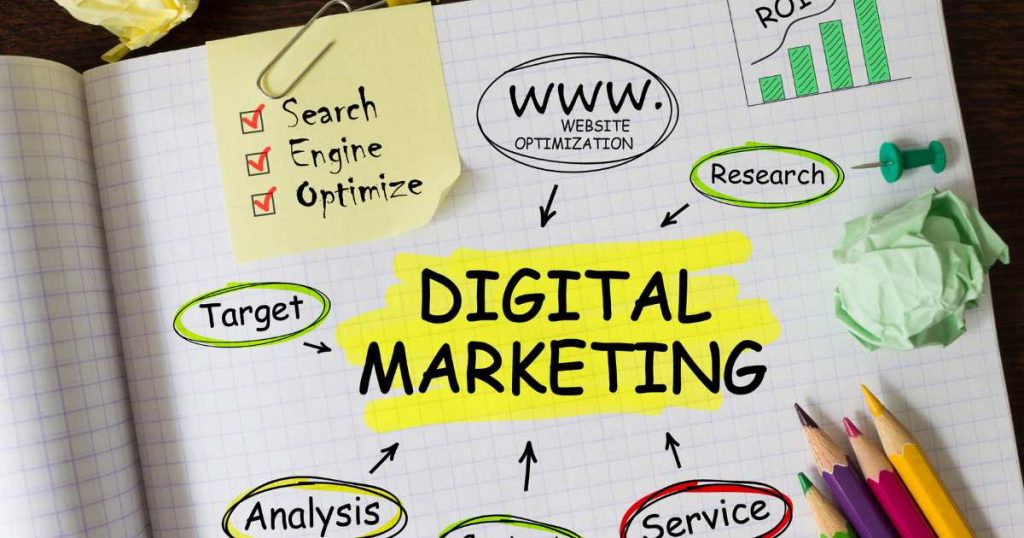
Digital marketing means using online platforms to reach the right people, build trust, and generate leads or sales for a business. This includes search engines, websites, content, email, and social platforms.
On Nikkfact, digital marketing is not explained in theory. Here, it is explained through real SEO work, live websites, mistakes, fixes, and learning from execution.
This page works as a starting point. From here, you can explore SEO, content marketing, AI use cases, and real case studies in a structured way.
What Digital Marketing Means on Nikkfact
Digital marketing is not about doing everything at once. It is about choosing the right channel, using it properly, and improving it with data.
Most beginners fail because they:
- Chase too many tools
- Follow random advice
- Copy strategies without understanding context
On this site, the focus is on:
- Practical learning
- Step-by-step growth
- Methods that actually work for small and service-based businesses
Core Areas of Digital Marketing Covered Here On Nikkfact
Instead of dumping information on one page, Nikkfact breaks digital marketing into clear learning paths.
1- Search Engine Optimization (SEO)
SEO helps businesses appear in search results when people are actively looking for solutions.
On Nikkfact, SEO content covers:
- How search engines understand pages
- How to structure content for users
- How technical issues affect rankings
- How local and service businesses grow with SEO
👉 Start with the SEO Hub to understand the full structure and learning flow.
2- Content Marketing
Content marketing is not about publishing blogs every day. It is about answering real questions that real people are already searching for.
Here you will learn:
- How content supports SEO instead of replacing it
- How to map content to search intent
- How service pages and blogs work together
- How to avoid thin and useless content
👉 Explore the Content Marketing Hub for structured guides.
3- AI in Digital Marketing (Use-Cases Only)
AI can save time, but it cannot replace thinking.
On Nikkfact:
- AI is discussed only in real use cases
- There is no hype, no blind recommendations
- The focus stays on where AI helps and where it clearly fails
You will also see:
- Where human input is still required
- Why over-automation damages trust and rankings
👉 Visit the AI Tools section for honest, experience-based insights.
4- Case Studies & Experiments
This is where theory ends and reality begins.
Case studies include:
- Real websites
- Real problems
- What worked and what did not
- Mistakes that caused traffic drops
- Fixes that improved rankings
These pages exist to show how digital marketing actually works, not how it looks in presentations.
👉 Go to Case Studies & Experiments to learn from real execution.

Who This Nikkfact Website Is For?
This site is made for:
- Beginners who want clarity
- Career switchers entering digital marketing
- Small business owners trying to grow online
- Service businesses depending on local leads
- SEO learners tired of confusing advice
If you are looking for shortcuts, overnight results, or fake hacks, this content will feel slow and uncomfortable.
How Content Is Created on Nikkfact?
Every guide on this site follows a simple rule:
No experience = No content
That means:
- No copy-paste theory
- No rewritten Google documentation
- No tool promotion without usage
- No AI-generated filler
Content is written after:
- Testing
- Implementation
- Observation
- Mistakes and corrections
This approach may look slower, but it saves months of confusion later. It also aligns with how modern search engines evaluate helpfulness and trust.
How to Use This Site (Recommended Path)
If you are new:
- Start with the SEO Hub
- Move to Content Marketing
- Read Case Studies
- Then explore AI use-cases
You do not need to read everything at once. Pick one path and stay with it.
- Focus on SEO and local strategies
- Study service-based case studies
- Apply only what fits your situation
Digital Marketing for Small and Service Businesses
Small businesses do not need complex funnels or fancy dashboards.
They need:
- Visibility
- Trust
- Clear contact paths
On Nikkfact, digital marketing for small businesses focuses on:
- SEO instead of heavy ads
- Clear service pages
- Local visibility
- Simple tracking and improvements
This approach works even with limited budgets.
A Note on My Digital Marketing Journey
I did not start as an expert. I learned digital marketing by:
- Studying
- Working on real sites
- Doing internships
- Making mistakes
- Fixing them
I did not get everything right in the beginning, and that is exactly why this journey matters.
My full journey is documented separately, not mixed into guides.
👉 You can read it here: My Digital Marketing Journey (Nikhil Sharma)

About The Author
Nikhil Sharma is an SEO specialist and WordPress website developer with hands-on experience in SEO, Content writing & digital marketing.
Frequently Asked Questions
Digital marketing is promoting a business online using search engines, content, email, and social platforms to reach people and generate leads or sales.
Yes. SEO is one of the most important parts of digital marketing because it brings long-term, high-intent traffic.
It can be, if you focus on skills, execution, and real projects instead of only certificates.
Yes. In fact, digital marketing works best for small and local businesses when done correctly.
No. Basic technical understanding helps, but coding is not mandatory.
Digital marketing offers global reach, detailed targeting, measurable and cost‑effective campaigns, real‑time engagement, control over audience, and less cost & higher ROI compared to traditional marketing.