
On-Page SEO: What It Is, How It Works & Why It Still Matters?
If you think on-page SEO is just a list of things to tick off, meta tags, headings, internal links-you’re already behind. Google no longer ranks pages just because you sprinkled keywords or formatted H1s. On-page SEO is about how your content communicates value to humans and search engines simultaneously. It’s about search intent, experience, and expertise-what Google now calls E-E-A-T.
In my years of experience, I have seen so many people who use Chat GPT for writing content then they humanize it thinking it will be valuable. But the content will not be useful until we add our personal experience, and that’s what E-E-A-T is all about.
Good on-page SEO isn’t just technical; it’s strategic content architecture. Done right, it improves rankings, engagement, and authority. Done wrong, even perfect backlinks can’t save your page.
What Is On-Page SEO? (In Simple, Real-World Terms)
On-page SEO refers to everything you can control on your website to make it more understandable and relevant for search engines-and more useful for your audience.
Real-world examples:
- Writing content that answers questions completely, not just partially
- Structuring pages with logical headings and URLs
- Optimizing images and multimedia so pages load faster
- Using internal links to guide users through related content
Think of on-page SEO like setting up a store in a busy market: the better your layout, signs, and displays, the more likely customers will notice and buy. Backlinks are like word-of-mouth – they help, but if your store is messy, customers leave.
I personally used Yoast and Rank Math plugin to make sure the on-page element should be well-optimized.
Why On-Page SEO Still Controls Rankings ?
Despite all the hype around AI, backlinks, and generative content, on-page SEO is still foundational. I believe that if you are a SEO professional, your SEO foundation should be strong. Here’s why:
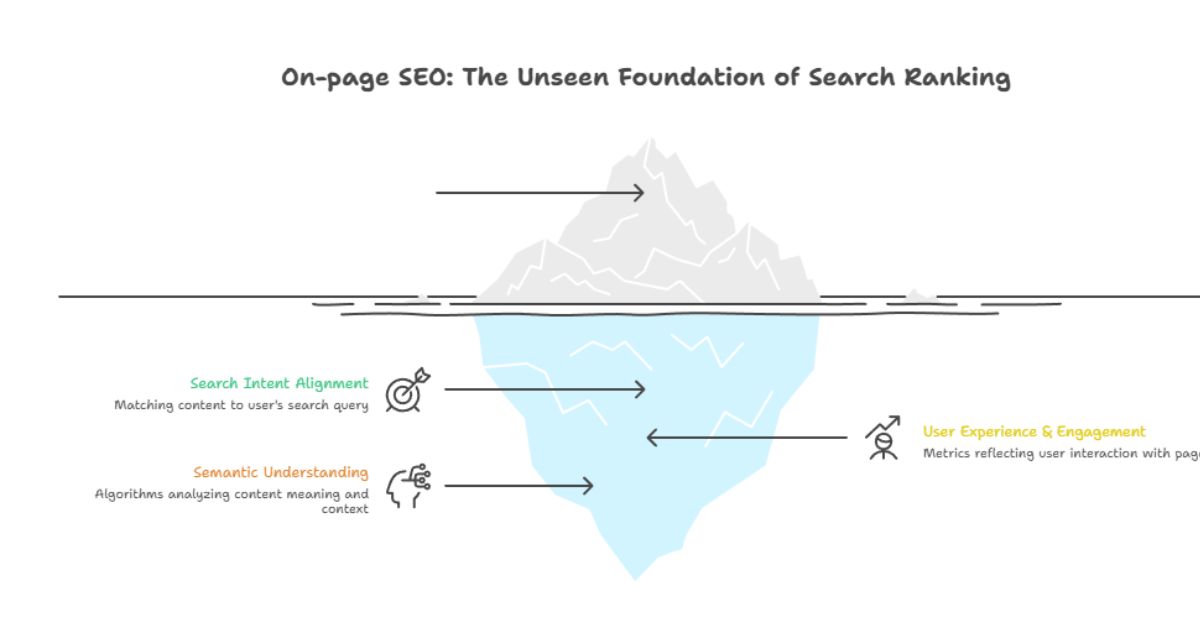
- Search Intent Alignment – Google’s algorithms prioritize pages that fulfill the user’s need. If your content misses intent, even the strongest backlink profile won’t rank.
- Experience & Engagement – Metrics like dwell time, scroll depth, and interaction now influence ranking. Pages poorly structured or confusing lose.
- Semantic Understanding – Modern algorithms analyze entities, context, and related topics. On-page signals like headings, internal links, and structured content tell Google what your page is about.
On-Page SEO, Off-Page SEO & Technical SEO - What’s the Difference?
- On-Page SEO: Everything you control on the page. Content, headings, images, internal linking.
- Off-Page SEO: External signals like backlinks, social shares, brand mentions.
- Technical SEO: Site-wide elements that affect crawling, indexing, and performance, e.g., site speed, XML sitemaps, and canonicalization.
Reality check: Most sites fail not because of backlinks, but because on-page fundamentals are weak. I had audited many website, where I found that their on-page element was not optimized properly. A technically perfect site with bad content or poor structure will never dominate SERPs.
E-E-A-T & Search Intent - The Real Foundation of On-Page SEO
E-E-A-T (Experience, Expertise, Authoritativeness, Trustworthiness) is non-negotiable.
- Experience: Show you’ve actually done what you write about. Case studies, examples, and screenshots help.
- Expertise: Your credentials matter, especially for YMYL topics (finance, health, legal).
- Authority: Backed by mentions, citations, and industry recognition.
- Trustworthiness: Clear authorship, privacy policies, no misleading claims.
I have added so many case studies that you will find on the Home Page of this website.
Search intent works hand-in-hand. A page that’s authoritative but misaligned with intent will underperform. For example, a “how-to” page designed for transactional queries will confuse Google and users alike.
Content Quality & Semantic Optimization (Beyond Keywords)
Keywords alone don’t cut it. Modern on-page SEO focuses on semantic context:
- Cover the topic holistically
- Use related terms naturally
- Include FAQs, tables, and structured data
- Write content that answers multiple sub-questions in one place
I personally use semantic keywords whenever I try to write any content.
For example, a page about “on-page SEO” should also explain headings, meta tags, internal links, page speed, UX, structured data, etc, without forcing every keyword.
Keyword Strategy for On-Page SEO (How Keywords Really Fit In)
Keywords still matter, but differently:
- Focus on search intent, not just volume
- Use primary keywords in titles, headings, and naturally in content
- Target related entities instead of repeating the exact phrase
- Don’t over-optimize; Google understands context and synonyms
Example: Instead of repeating “on-page SEO” 20 times, mention “page optimization,” “content structure,” “internal linking,” and “UX signals” naturally. I will never recommend anyone to stuff keywords in the new SEO era.
Which On-Page Element Carries the Most Weight for SEO?
Often this question asked by many SEO professionals, especially new SEO people. There’s no single magic bullet—but some elements consistently impact rankings more than others:
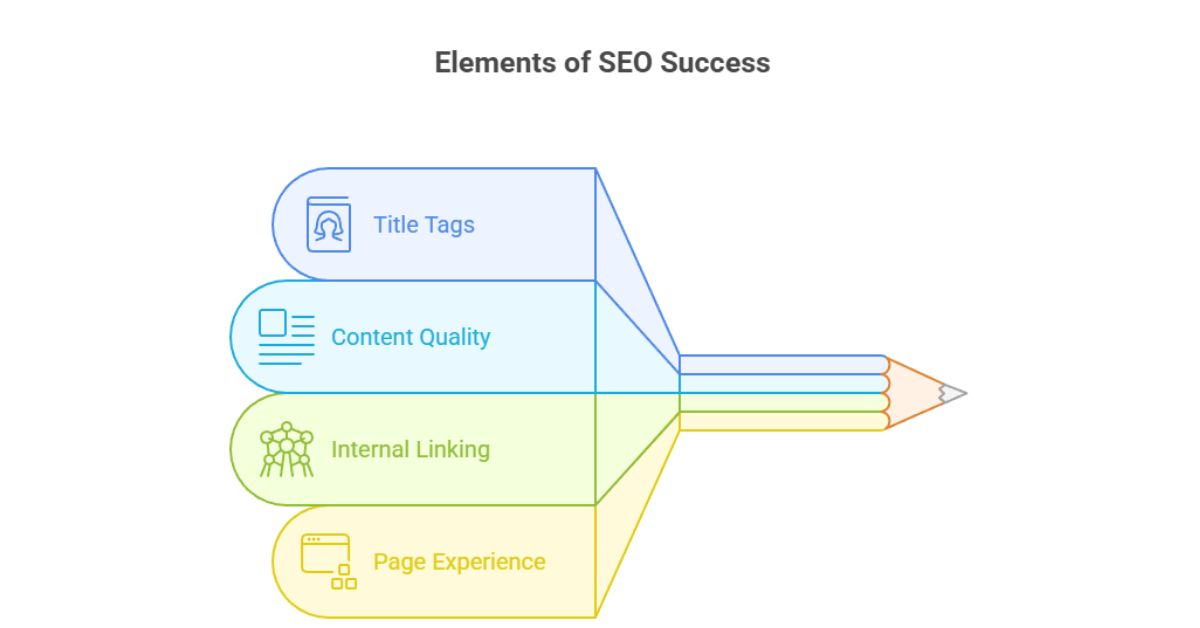
- Title Tags – Signal the topic to Google and influence clicks.
- Content Quality – Pages that fully satisfy search intent rank higher.
- Internal Linking – Helps Google understand context and authority flow.
- Page Experience – Fast, mobile-friendly, and interactive pages retain users.
Reality check: Meta descriptions and exact keyword repetition carry little ranking weight anymore. Many SEOs waste hours obsessing over them while ignoring content depth, UX, and intent alignment.
Core On-Page SEO Elements You Can Actually Control
- Page content: informative, complete, helpful
- Headings: clear hierarchy (H1–H6)
- URL structure: clean and crawlable
- Internal links: logical and contextually relevant
- Images and multimedia: optimized for speed and accessibility
- Structured data: helps Google understand your page
- Mobile experience: fast, usable, readable
Control these elements. Ignore what you can’t (like backlinks) when focusing on on-page optimization.
HTML Elements That Matter for On-Page SEO
1- Title Tags - Rankings + Clicks
Why they matter: They signal relevance and influence click-through rates.
Tips:
- Include your primary keyword naturally
- Keep under 60 characters
- Make it compelling, not robotic
Common mistakes:
- Duplicate titles across pages
- Keyword stuffing or misleading titles
2- Meta Descriptions - Visibility, Not Rankings
Meta descriptions don’t directly impact ranking, but they do affect CTR, which is an indirect SEO signal.
- Summarize content clearly
- Include one primary keyword naturally
- Avoid clickbait
3- Headings (H1–H6) - Content Hierarchy
Headings give structure, help readers skim, and tell Google what each section is about.
- H1: Page topic
- H2: Major subtopics
- H3–H6: Supporting details
4- URL Structure - Clean, Clear & Crawlable
A messy URL hurts both UX and SEO. Best practices:
- Short and descriptive
- Use hyphens instead of underscores
- Avoid unnecessary parameters
Internal & External Linking - Authority Flow Explained
1- Internal Linking for On-Page SEO
- Guides crawlers and users to related content
- Anchor text should reflect target content
- Avoid orphan pages (pages no one links to internally)
2- External Links & Trust Signals
- Link to authoritative sources to boost credibility
- Avoid excessive outbound links
- References to real studies or official documentation signal trustworthiness
Fact: Pages with well-planned internal linking often outperform pages with high backlinks but poor internal structure.
Page Experience & UX Signals That Impact On-Page SEO
1- Core Web Vitals (LCP, INP, CLS)
- LCP (Largest Contentful Paint): How fast the main content loads
- INP (Interaction to Next Paint): Measures responsiveness
- CLS (Cumulative Layout Shift): Tracks visual stability
Pages failing CWV metrics are penalized in rankings.
2- Mobile Experience & Navigation
- Mobile-first indexing is standard
- Navigation must be intuitive
- Buttons, menus, and content should be easy to interact with
3- Engagement Signals (Scroll, Interaction, Retention)
- Longer dwell time signals content satisfaction
- Interactive elements (quizzes, tables, charts) increase engagement
- Bounce rate alone is not a direct ranking factor, but combined engagement metrics matter
Schema Markup & Structured Data for On-Page SEO
In my starting phase, I used to ignore Schema Markup, but today I take it seriously. Structured data tells Google what your content is about, improving rich result chances:
- Articles: author, publish date, and main entity
- FAQs: Question + Answer
- Reviews & products: ratings, price
On-Page SEO Examples (Good vs Bad Optimization)
1- Good:
- Clear H1 + H2 hierarchy
- Fast loading page
- Internal links to related guides
- Author with expertise shown
2- Bad:
- Keyword-stuffed paragraphs
- Missing headings or duplicate titles
- Broken internal links
- No mobile optimization
On-Page SEO Checklist (Use This Before Publishing Any Page)
- H1 matches search intent
- Title tag optimized & unique
- Meta description written
- Headings H2–H6 structured
- URLs short & descriptive
- Images compressed + alt text
- Internal linking logical
- Structured data applied
- Mobile-friendly & fast load
- Content answers user intent completely
On-Page SEO Tools - What Actually Helps
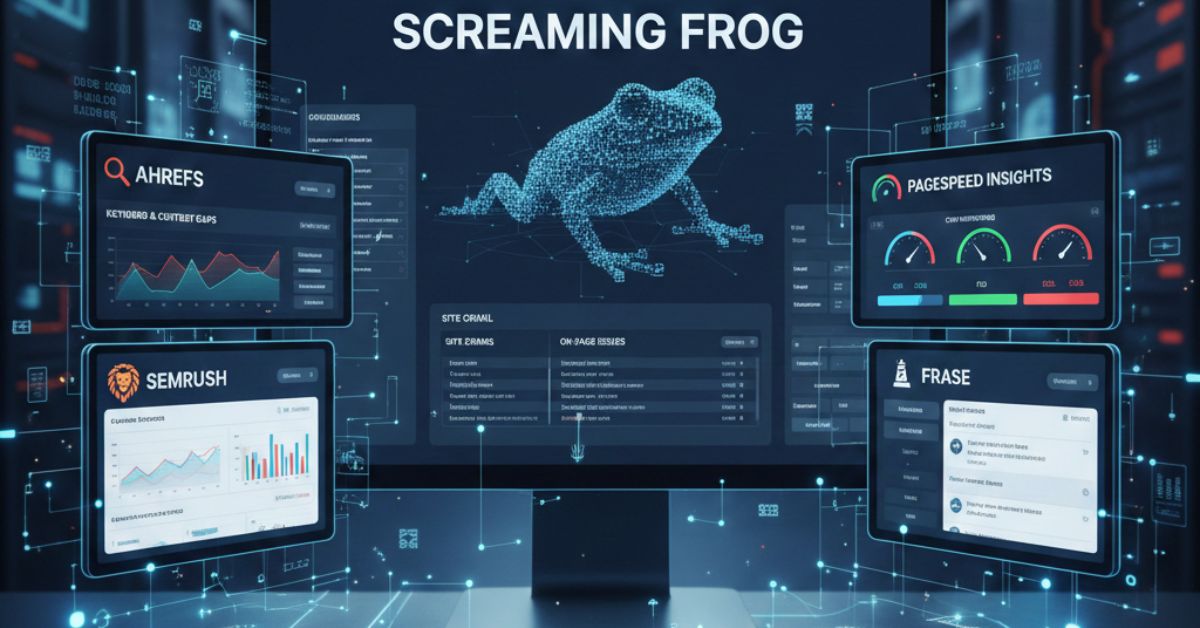
- Screaming Frog – site crawl + on-page issues
- Ahrefs / Semrush – keyword & content gaps
- PageSpeed Insights / Lighthouse – CWV monitoring
- SurferSEO / Frase – semantic content optimization
Common On-Page SEO Mistakes That Kill Rankings
- Ignoring search intent
- Keyword stuffing
- Thin or shallow content
- Broken internal links
- Slow page speed or poor mobile experience
- Ignoring structured data
How On-Page SEO Fits Into Your Overall SEO Strategy
Think of on-page SEO as foundation work:
- Technical SEO = your site’s stability
- On-page SEO = how well pages communicate value
- Off-page SEO = reputation and authority
Without strong on-page SEO, even the best backlinks won’t rank your pages.
The Future of On-Page SEO (What to Prepare For)
- AI understanding: Google evaluates content depth, context, and factual correctness
- Semantic optimization: focus on entities, not just keywords
- User experience signals: engagement, interaction, satisfaction
- Trust and authority signals: E-E-A-T will remain central
Pages optimized solely for keywords will increasingly fall behind pages optimized for humans.
Frequently Asked Questions
On-page SEO focuses on optimizing elements within your website like content, HTML, and user experience, while off-page SEO relies on external signals such as backlinks, brand mentions, and social visibility.
Both are crucial. On-page SEO ensures your site is understandable and relevant; off-page SEO signals authority. Think of on-page as your store layout, off-page as word-of-mouth.
The most important on-page SEO factors include high-quality content, clear heading structure, strong internal linking, good page experience with Core Web Vitals, and proper use of structured data and semantic signals.
Rarely. On-page SEO can rank low-competition queries, but high-competition queries almost always need backlinks + authority.
Beginners should focus on clear headings, concise and readable content, optimized title tags and meta descriptions, logical internal linking, and fast, mobile-friendly page design.